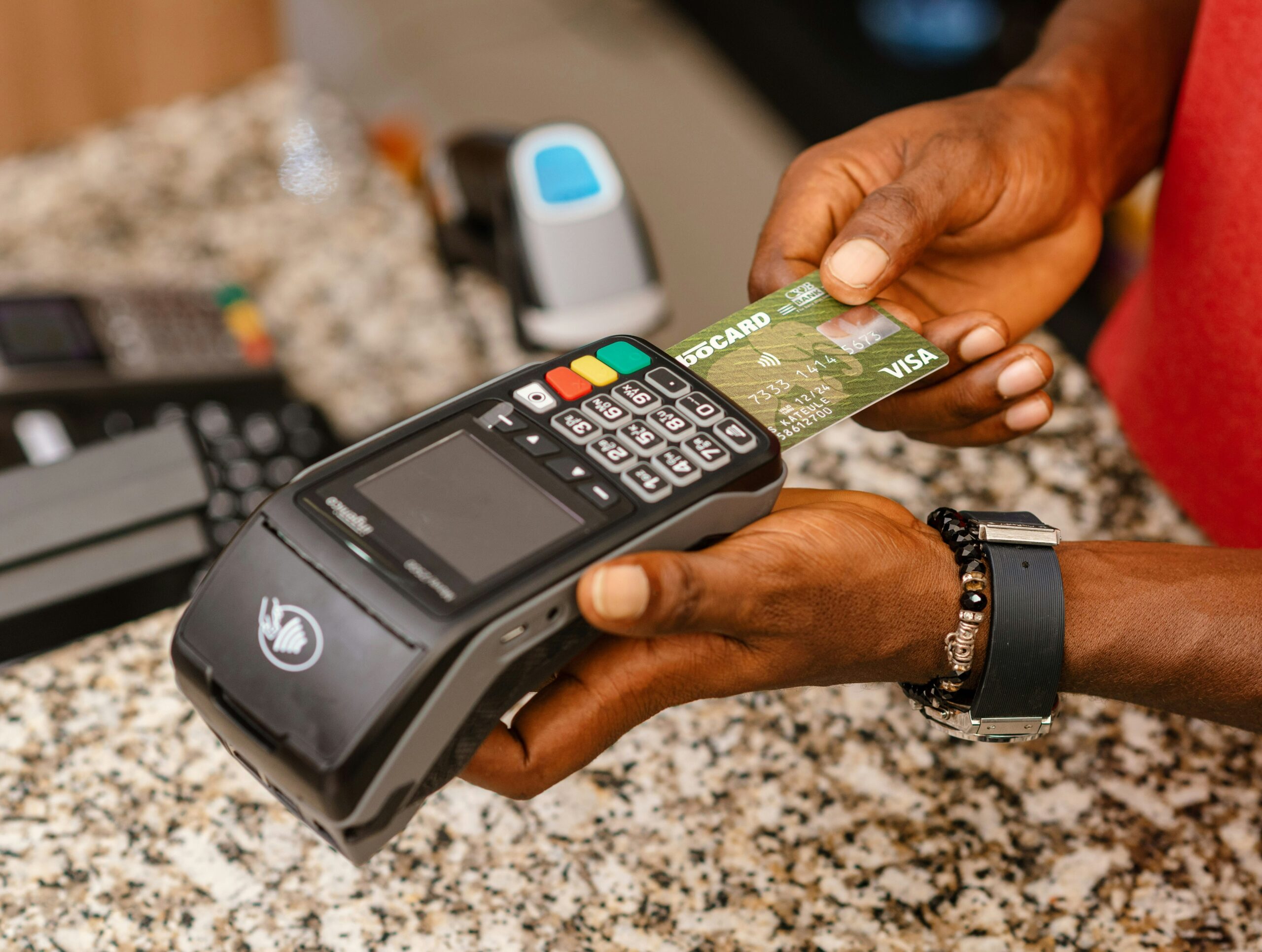
Global commerce depends on fast and reliable payments. However, payment failures remain a major challenge for businesses operating across borders. Different banks, currencies, regulations, and customer behaviors all affect whether a transaction succeeds or fails. As a result, companies often lose revenue when legitimate payments get declined. Intelligent transaction agents solve this problem by adapting in real time, helping businesses reduce failures and increase approval rates worldwide.
These agents use data, machine learning, and automation to make instant decisions during payment processing. Instead of relying on fixed rules, they analyze each transaction based on context, behavior, and risk signals. Because of this, they can respond quickly to changing conditions. Over time, they learn from past outcomes and improve performance. This approach helps businesses recover lost revenue while providing a smoother customer experience.
Understanding Why Payment Failures Happen
Payment failures occur for many reasons, and they often go beyond simple errors. For example, banks may decline transactions due to suspected fraud, outdated card details, or unusual spending patterns. In addition, cross-border payments face additional challenges, such as currency mismatches and regional restrictions. Because of these factors, even legitimate transactions can fail without a clear explanation.
At the same time, traditional systems struggle to manage these complexities. Static rules cannot adjust to changing customer behavior or regional differences. As a result, they often block valid transactions or miss opportunities to retry payments more effectively. This gap creates frustration for customers and reduces revenue for businesses. Therefore, companies need a more adaptive approach to handle payment challenges effectively.
How Intelligent Agents Adapt in Real Time
Intelligent transaction agents monitor each payment as it happens. They evaluate multiple factors, including location, device, transaction history, and bank response patterns. Then, they decide the best way to process the payment. For example, if one route fails, the agent may try another processor or adjust the request format. Because these actions happen instantly, customers do not notice delays.
Moreover, these agents learn continuously from every transaction. When a payment succeeds or fails, the system updates its understanding of what works best. Over time, this learning improves decision accuracy. As a result, approval rates increase while unnecessary declines decrease. This real-time adaptability makes intelligent agents far more effective than traditional rule-based systems.
Improving Approval Rates Across Regions
Global businesses face unique challenges in different regions. Payment methods, banking systems, and fraud risks vary widely from one country to another. Because of this, a strategy that works in one market may fail in another. Intelligent agents solve this issue by adapting their behavior based on regional patterns and local data.
For instance, an agent may recognize that certain banks prefer specific transaction formats or timing. It can then adjust requests to match those preferences. In addition, it can identify common causes of decline in each region and avoid them. This localized intelligence helps businesses increase approval rates worldwide while maintaining consistency across markets.
Reducing False Declines Without Increasing Risk
False declines occur when legitimate transactions are rejected due to overly strict security checks. These declines frustrate customers and lead to lost sales. However, reducing false declines without increasing fraud risk requires careful balance. Intelligent agents achieve this balance by using behavioral analysis instead of rigid rules.
They study how customers normally behave and compare each new transaction to that pattern. If a transaction looks unusual but still fits within acceptable limits, the agent may allow it. On the other hand, if the behavior signals real risk, it can block or flag the payment. Because of this nuanced approach, businesses can approve more transactions while still protecting against fraud.
Enhancing Customer Experience Through Seamless Payments
A smooth payment experience plays a key role in customer satisfaction. When transactions fail, customers may abandon their purchase or lose trust in the brand. Intelligent transaction agents help prevent these issues by ensuring that payments go through quickly and reliably.
In addition, these agents reduce the need for repeated attempts or manual intervention. Customers do not have to re-enter details or contact support. Instead, the system handles adjustments in the background. As a result, the checkout process feels simple and fast. This improved experience encourages repeat business and builds long-term loyalty.
Leveraging Data for Continuous Optimization
Data is at the core of intelligent payment systems. Every transaction provides insights into customer behavior, bank responses, and processing performance. Intelligent agents use this data to refine their strategies and improve outcomes over time.
Furthermore, businesses can use these insights to make better decisions. For example, they can identify which processors perform best in certain regions or which payment methods have the highest success rates. By combining real-time automation with a data-driven strategy, companies can create a strong foundation for payment optimization and growth.
Supporting Scalability in Global Commerce
As businesses expand globally, payment complexity increases. More markets mean more currencies, regulations, and customer preferences. Managing this complexity manually becomes difficult and inefficient. Intelligent transaction agents provide a scalable solution that grows with the business.
Because these agents operate automatically, they can handle large volumes of transactions without slowing down. At the same time, they maintain consistent performance across all markets. This scalability allows businesses to enter new regions with confidence, knowing that their payment systems can adapt and perform effectively.
The Future of Payment Optimization
The role of intelligent transaction agents will continue to grow as digital commerce evolves. Advances in artificial intelligence and machine learning will make these systems even more accurate and responsive. As a result, businesses will be able to reduce payment failures further and improve approval rates across all channels.
In addition, real-time adaptation will become a standard expectation in payment processing. Customers will expect seamless experiences regardless of location or payment method. Businesses that invest in intelligent agents will be better positioned to meet these expectations and stay competitive in a fast-changing market.
Intelligent transaction agents are transforming how businesses manage payments worldwide. By adapting in real time, they reduce payment failures, increase approval rates, and improve customer experience. Unlike traditional systems, they learn continuously and respond to changing conditions instantly.
As global commerce becomes more complex, the need for adaptive payment solutions will only grow. Businesses that embrace intelligent transaction agents can unlock new revenue opportunities, enhance efficiency, and build stronger customer relationships. In the end, real-time adaptability is not just a technical advantage; it is a key driver of success in modern payment systems.